
The maritime industry is steadily transitioning toward cleaner, more efficient energy sources. Natural gas, particularly in the form of LNG (liquefied natural gas), has become a popular alternative to traditional marine fuels due to its lower emissions and cost-effectiveness. As LNG becomes increasingly important in marine propulsion, especially on gas carriers, the technology that enables its use — namely the fuel gas supply system (FGSS system) — plays a critical role.
A Fuel Gas Supply System (FGSS) is a vital onboard infrastructure that supplies natural gas to the ship’s engines. This system ensures that LNG stored in cryogenic tanks is properly conditioned — vaporized, pressurized, and regulated — before being delivered to the engine, whether it’s a dual fuel engine or one fully dependent on natural gas.
The FGSS system includes a wide range of components and subsystems, including:
Each component must be designed to handle high pressure, extreme cold, and comply with strict safety standards.
Gas carriers are specialized ships designed to transport liquefied gases like LNG or LPG. These vessels typically use a portion of the cargo as fuel, which requires a robust and highly controlled fuel gas supply system. Because of the volatility and cryogenic nature of LNG, gas carriers must have systems that:
These requirements make the FGSS on gas carriers significantly more complex than on conventional ships.
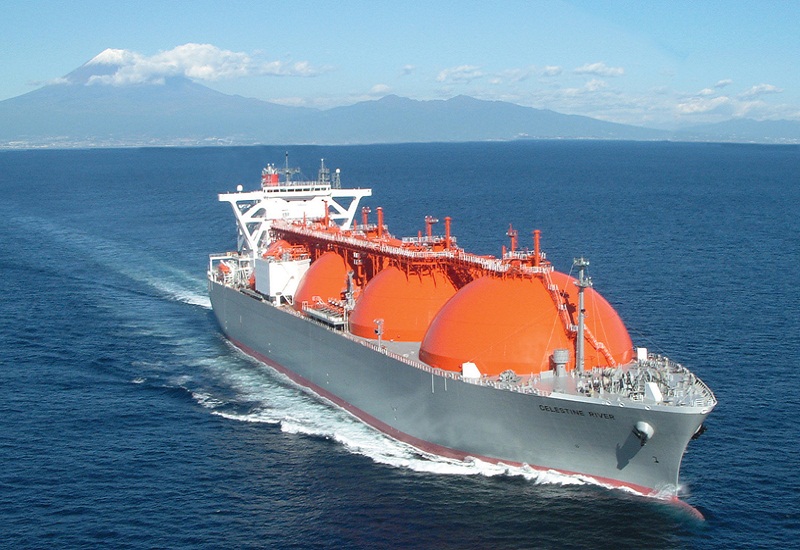
At the heart of the system is the cryogenic LNG storage tank, typically constructed with insulation and double-walled designs to maintain LNG in liquid form. These tanks are located within the hull and are subject to rigorous safety measures.
To supply fuel to engines, the LNG must be vaporized. The system uses vaporizers and gas heaters to convert the liquid into a gaseous state. Depending on the engine type, the gas may need to be supplied at high pressure, especially in low-speed dual-fuel engines.
Dual fuel engines can run on either natural gas or marine diesel. The FGSS must integrate seamlessly with these engines, automatically switching fuel types when necessary and maintaining consistent delivery pressure.
As LNG slowly warms, it begins to evaporate, creating boil-off gas (BOG). An efficient FGSS incorporates BOG handling units to capture and use this gas as engine fuel, preventing pressure buildup in the tanks and reducing fuel wastage.
Implementing an advanced fuel gas supply system offers several key benefits:
The fuel gas supply system is a cornerstone technology for gas carriers operating with LNG fuel gas. Designed to manage natural gas in its cryogenic and gaseous forms, the FGSS system ensures safe, efficient, and environmentally compliant engine operation. From handling BOG to supplying high-pressure gas for dual-fuel engines, these systems are critical to the future of clean maritime propulsion. As the industry continues its shift towards LNG, advanced gas supply systems will become even more integral to modern ship design and operation.